
Women’s Mental Health
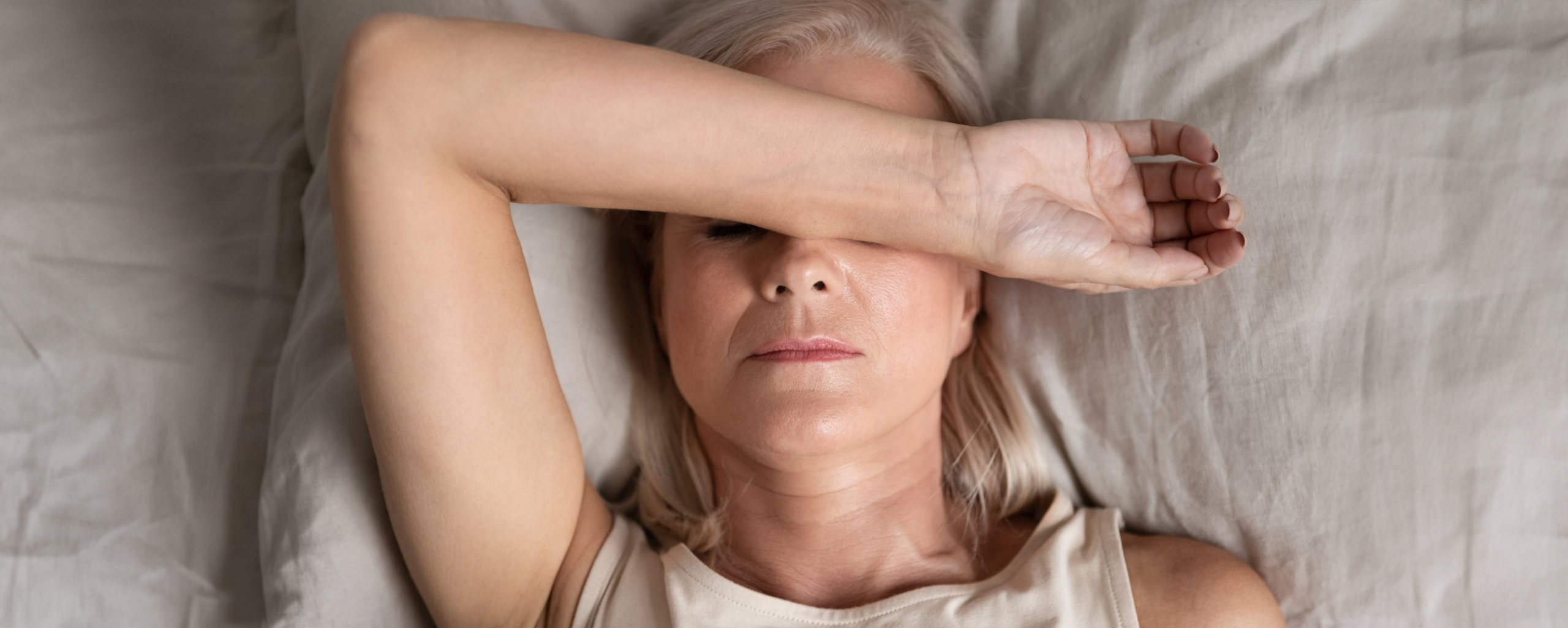
Mental health is something we all navigate, but for women, the journey can come with unique challenges. From hormonal shifts to social expectations, there are pressures that can deeply impact emotional well-being. In fact, research consistently shows that women are more likely than men to experience common mental health conditions like anxiety, depression, and PTSD.
Women face distinct biological and social factors that can influence mental health throughout their lives. Hormonal changes – like those during menstruation, pregnancy, postpartum, and menopause – can affect mood and mental stability. In addition, women are more likely to be affected by trauma such as domestic violence or sexual assault, both of which are strongly linked to long-term mental health challenges.
Socially, women often carry multiple roles – caregiver, professional, partner, daughter, which can lead to stress, burnout, loneliness, and feelings of being overwhelmed. These overlapping pressures contribute to the higher rates of mental health conditions seen in women globally.
The most important thing to know is that mental health challenges are not something you have to deal with on your own. More help and resources are available now than ever before.
Here are some tools and practices that are making a difference for women:
- Therapy and counselling: Whether it's one-on-one therapy, support groups, or online mental health platforms, getting support from a trained professional can be transformative.
- Connection with others: Building a support network – through friendships, peer groups, or community spaces – can ease isolation and provide a strong foundation for healing.
- Real self-care: True self-care means more than spa days. It includes setting boundaries, getting adequate sleep, nourishing your body, and creating time for rest and reflection.
- Mind-body tools: Practices like yoga, journaling, meditation, or just mindful breathing can help regulate stress and improve emotional balance.
- Accessible resources: Telehealth has made it easier than ever to access therapy. There are also apps, books, podcasts, and online communities focused specifically on women’s mental wellbeing..
The conversation around women’s mental health is becoming louder, stronger, and more empowering. By continuing to talk openly, seek help when needed, and support each other, we break down stigma and create a world where emotional well-being is truly prioritised.
If you're going through a tough time, know this: healing is possible, and support is within reach. You deserve to feel well – mentally, emotionally, and physically.